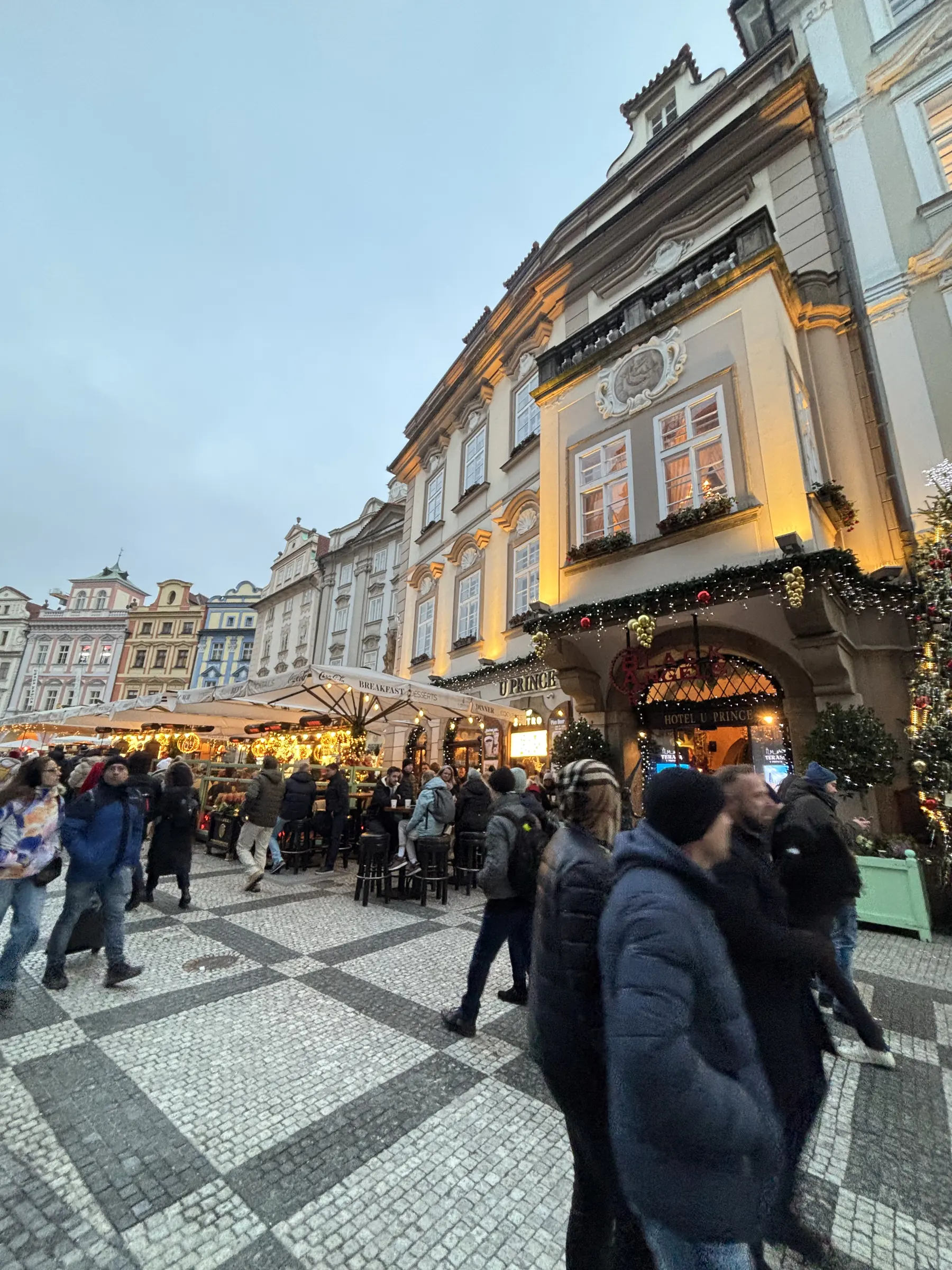
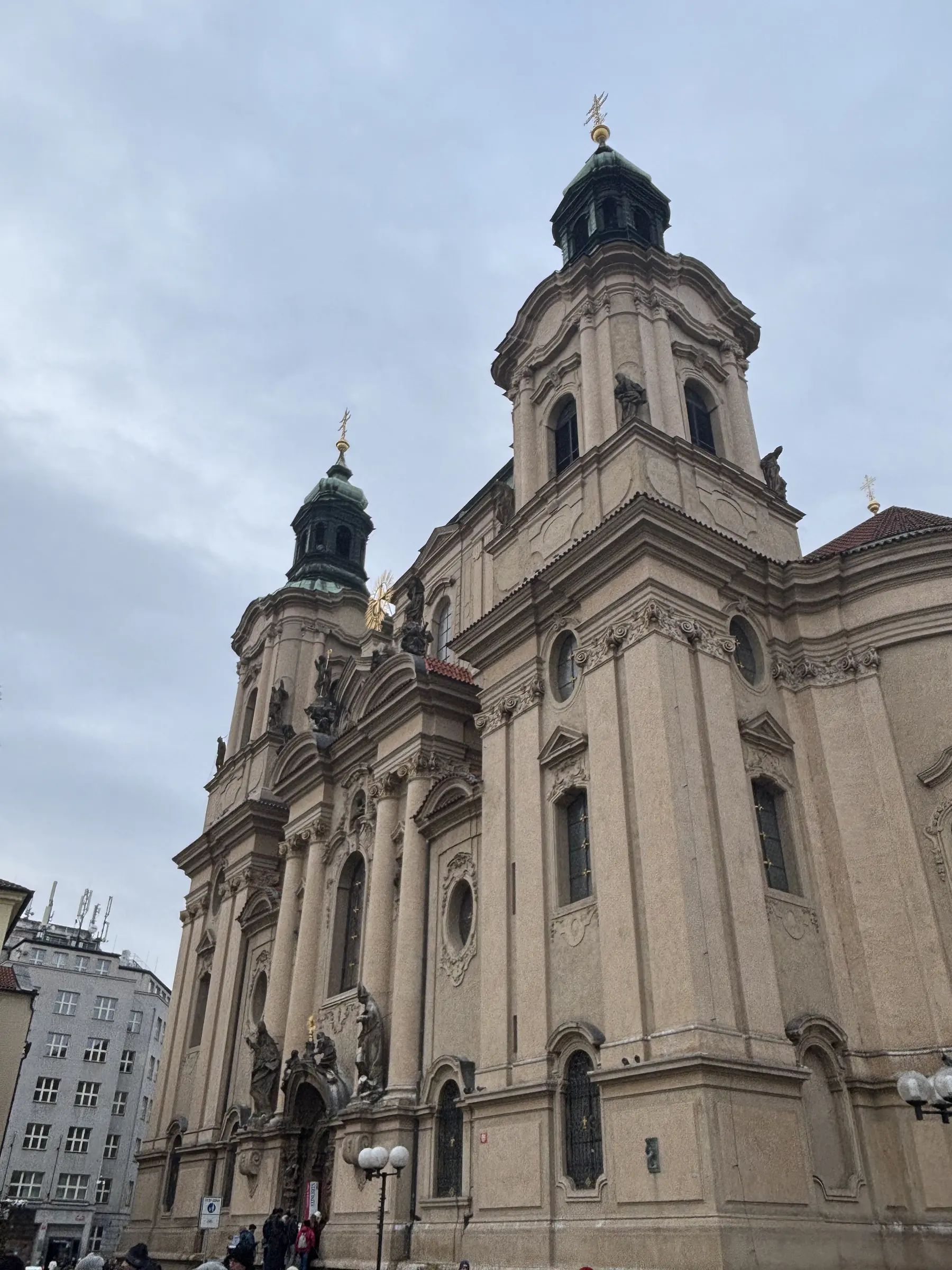
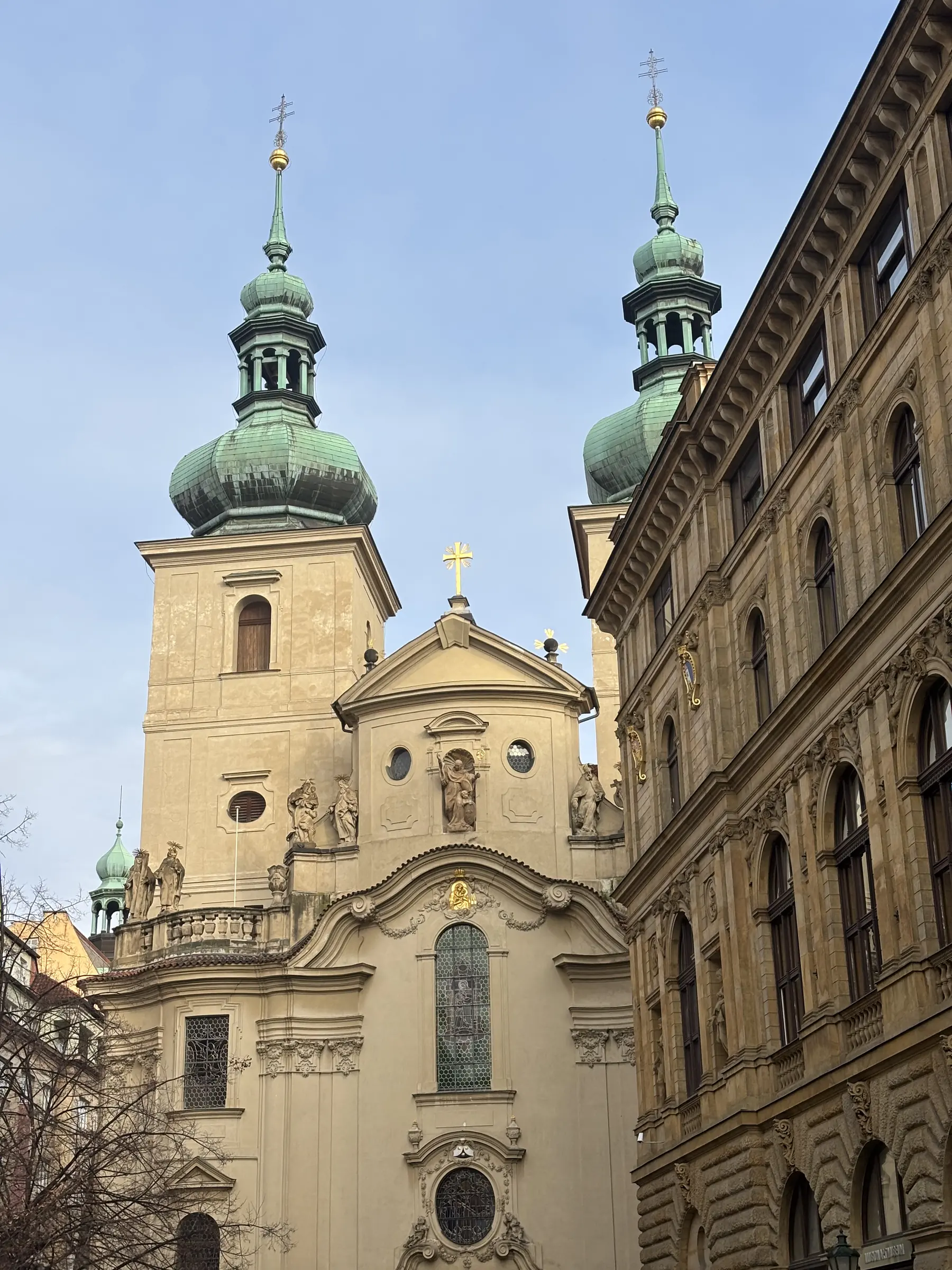
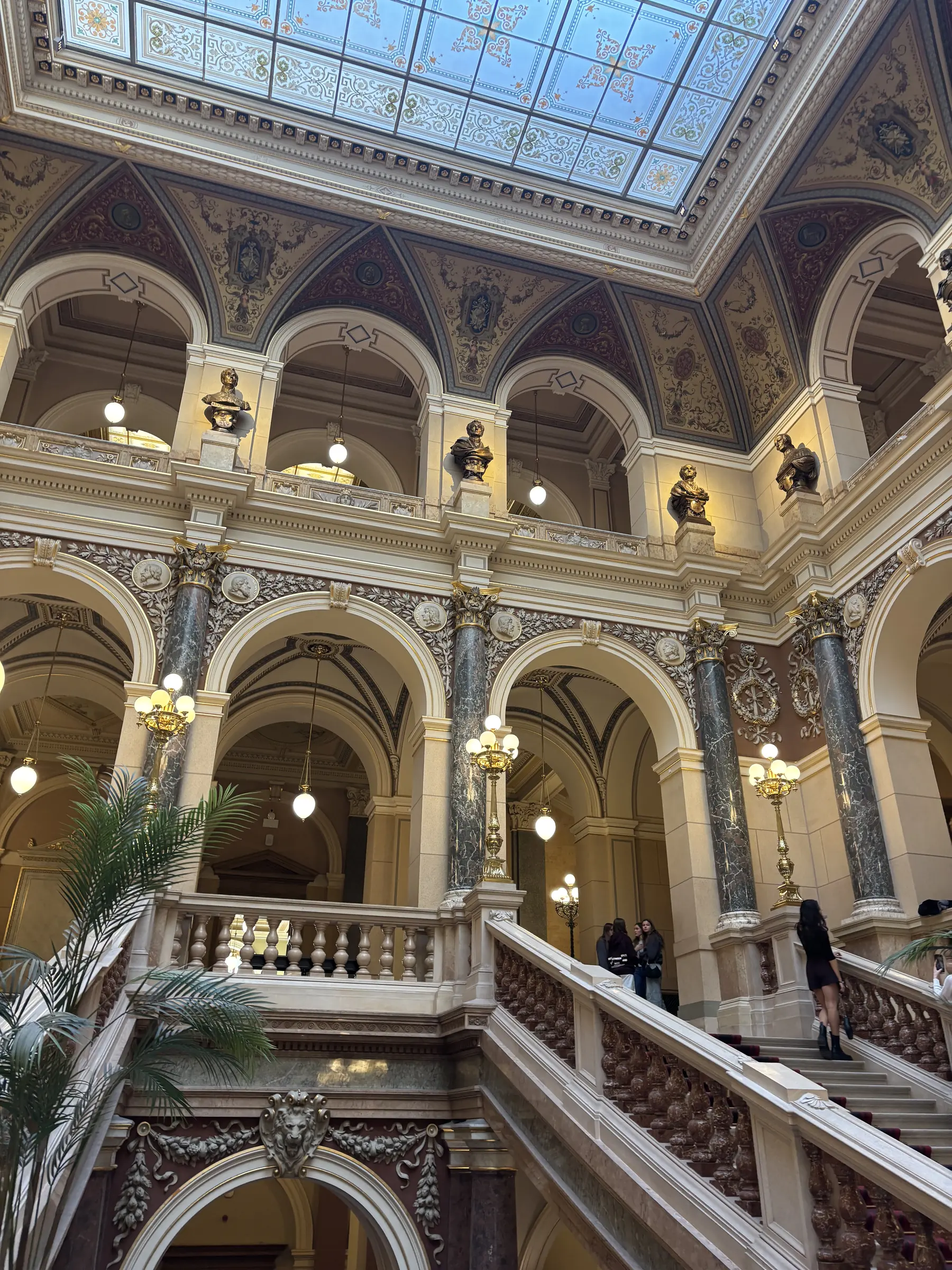
A thousand years of history, untouched by bombs.
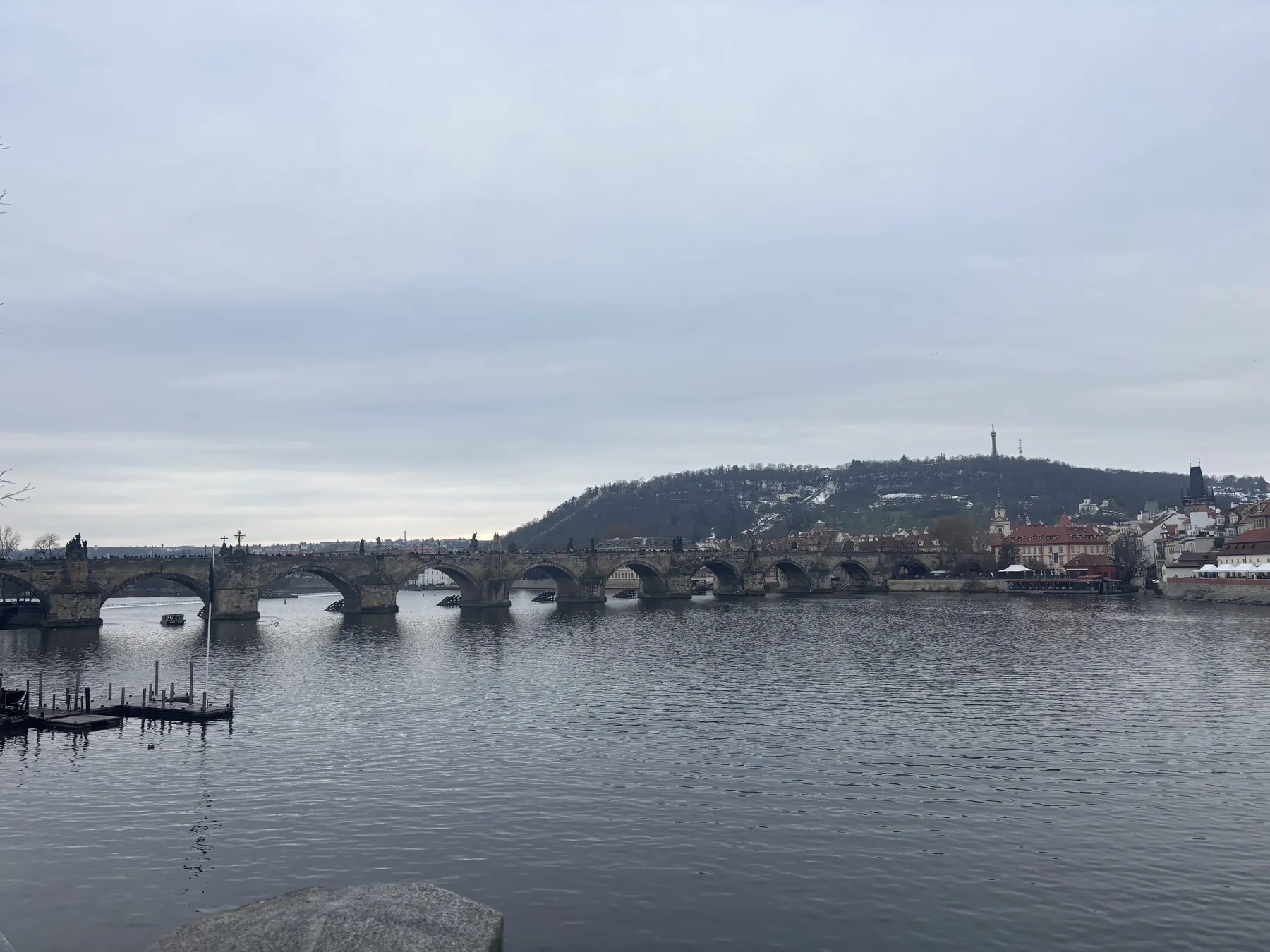
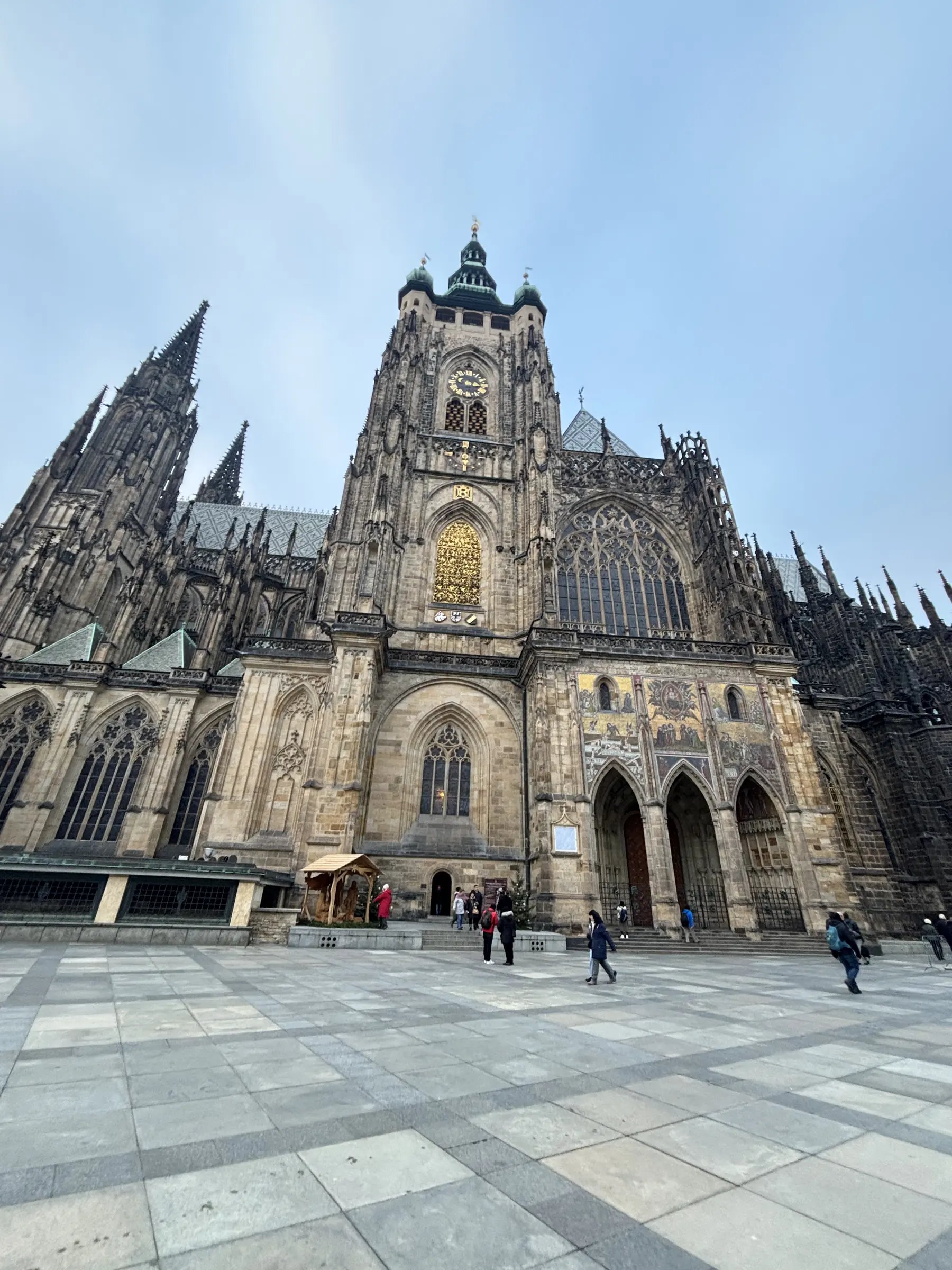
Prague was lucky enough to come through the 20th century almost untouched: neither the wars nor decades of communist rule damaged its centre, and you can read a thousand years of architecture in a single glance. Capital of the Kingdom of Bohemia, it became in the 14th century, under Charles IV, the capital of the Holy Roman Empire: we owe him Charles Bridge, St. Vitus Cathedral and the university, the oldest in Central Europe. Later, the Prague of Kafka, Mucha and the Velvet Revolution of 1989 made it a city of culture and regained freedom.
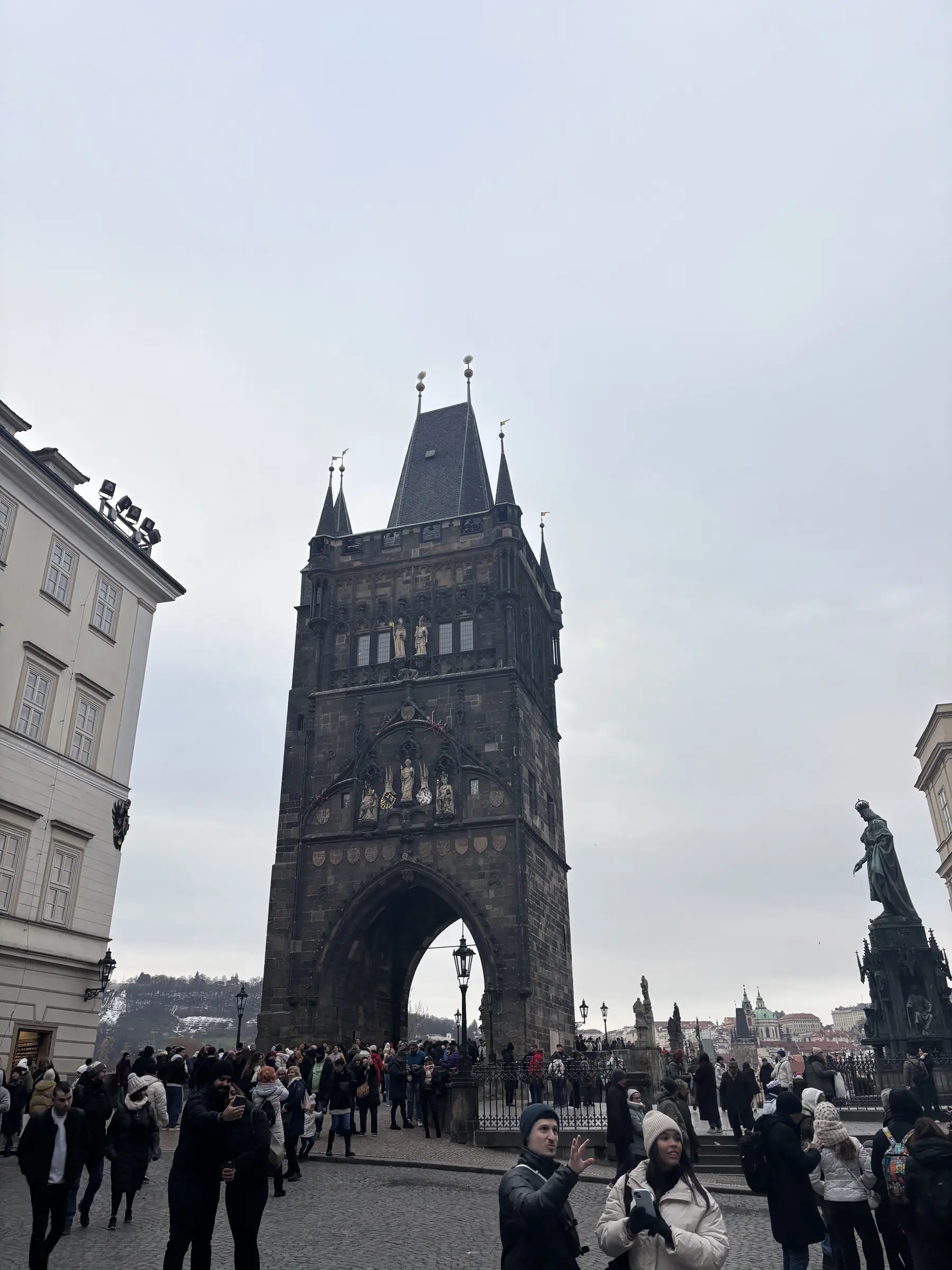
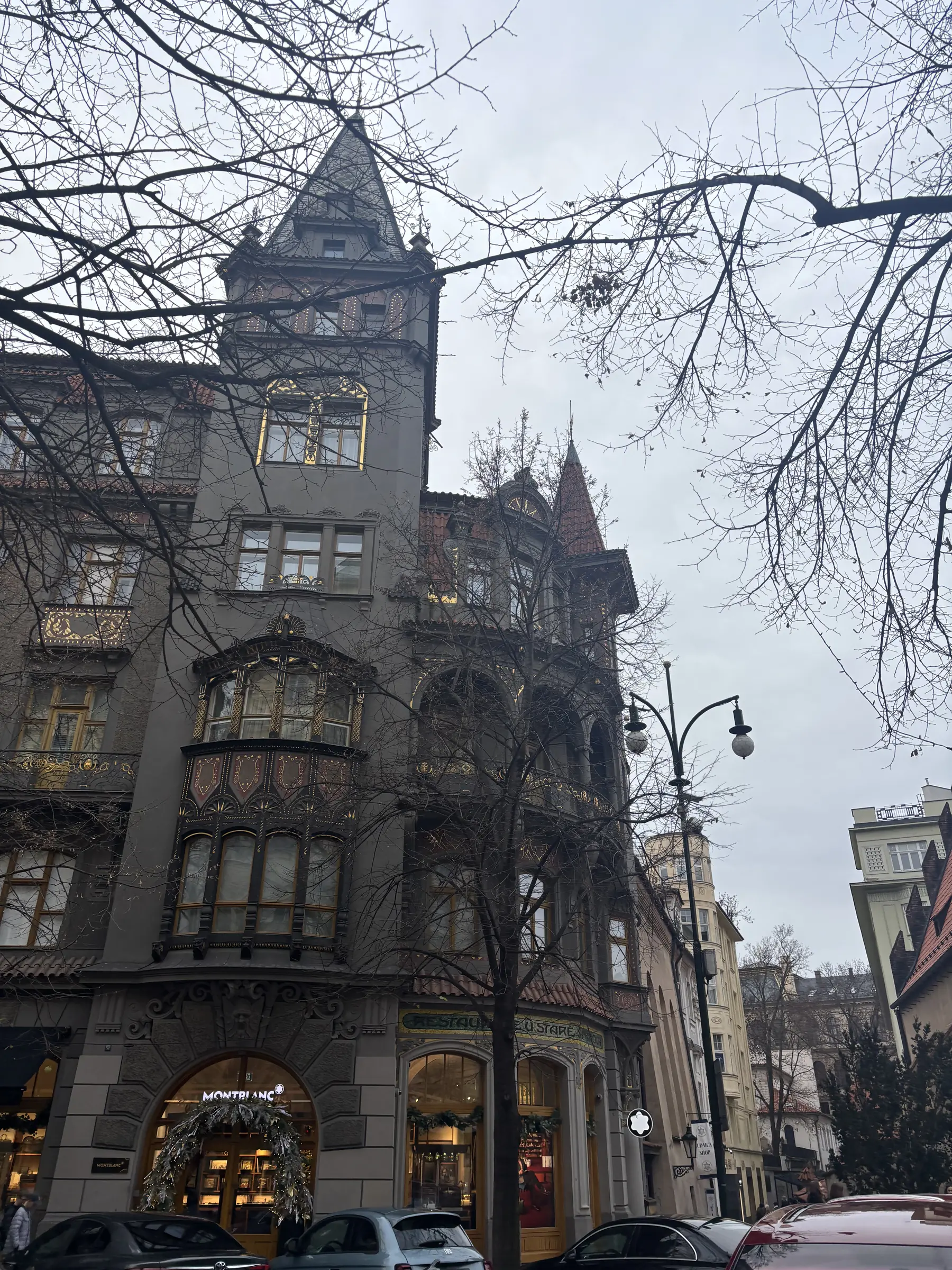
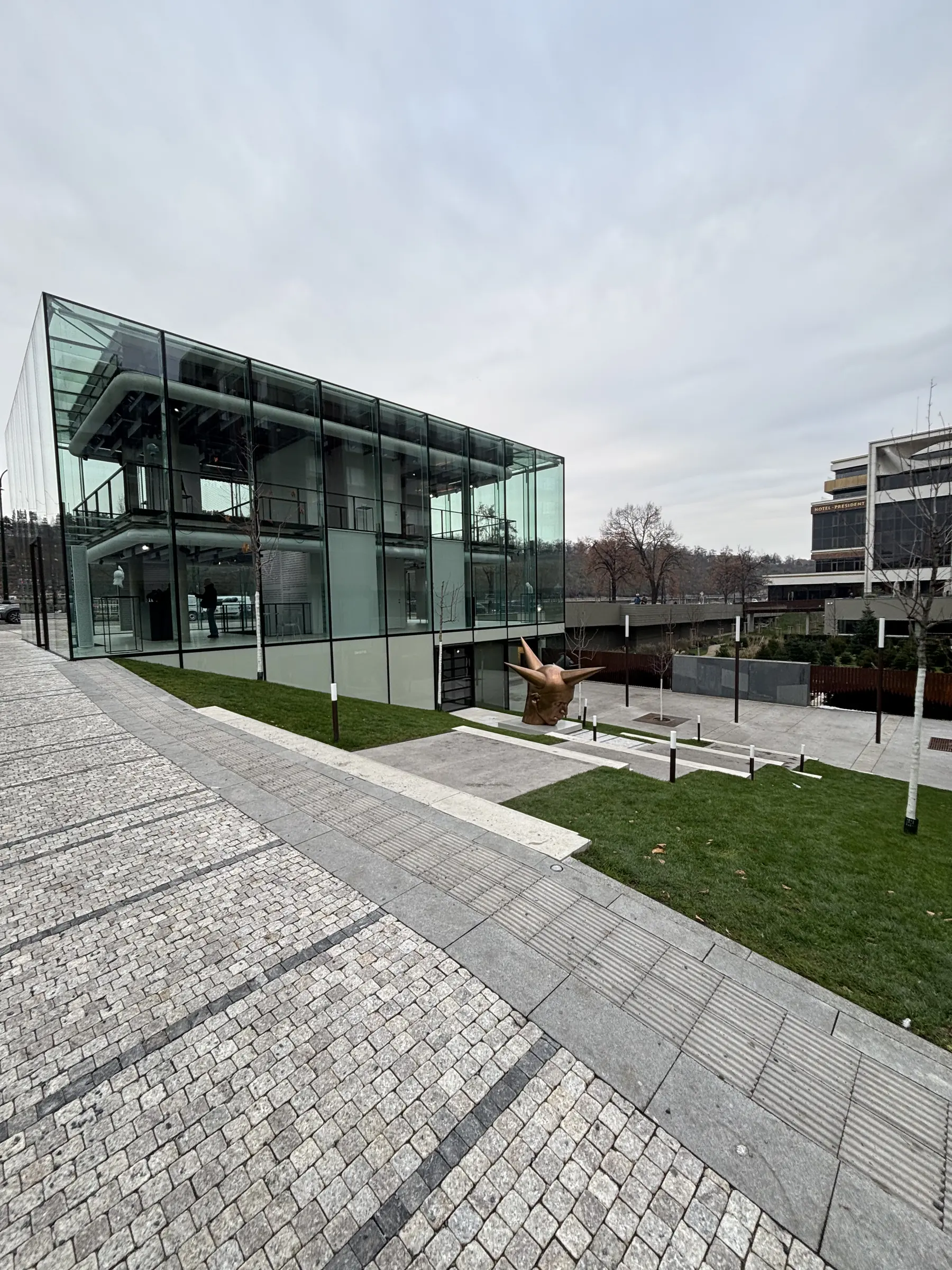
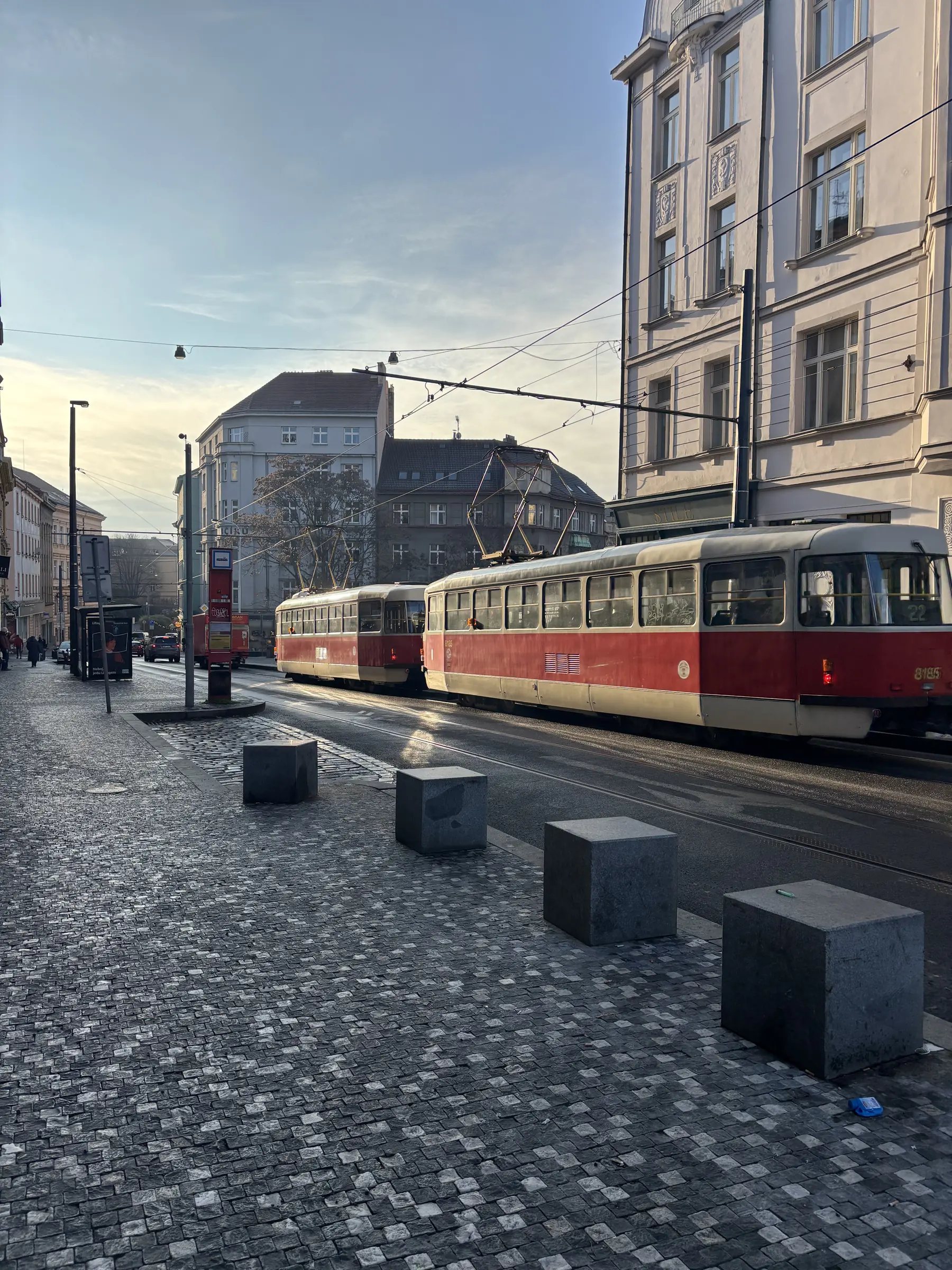
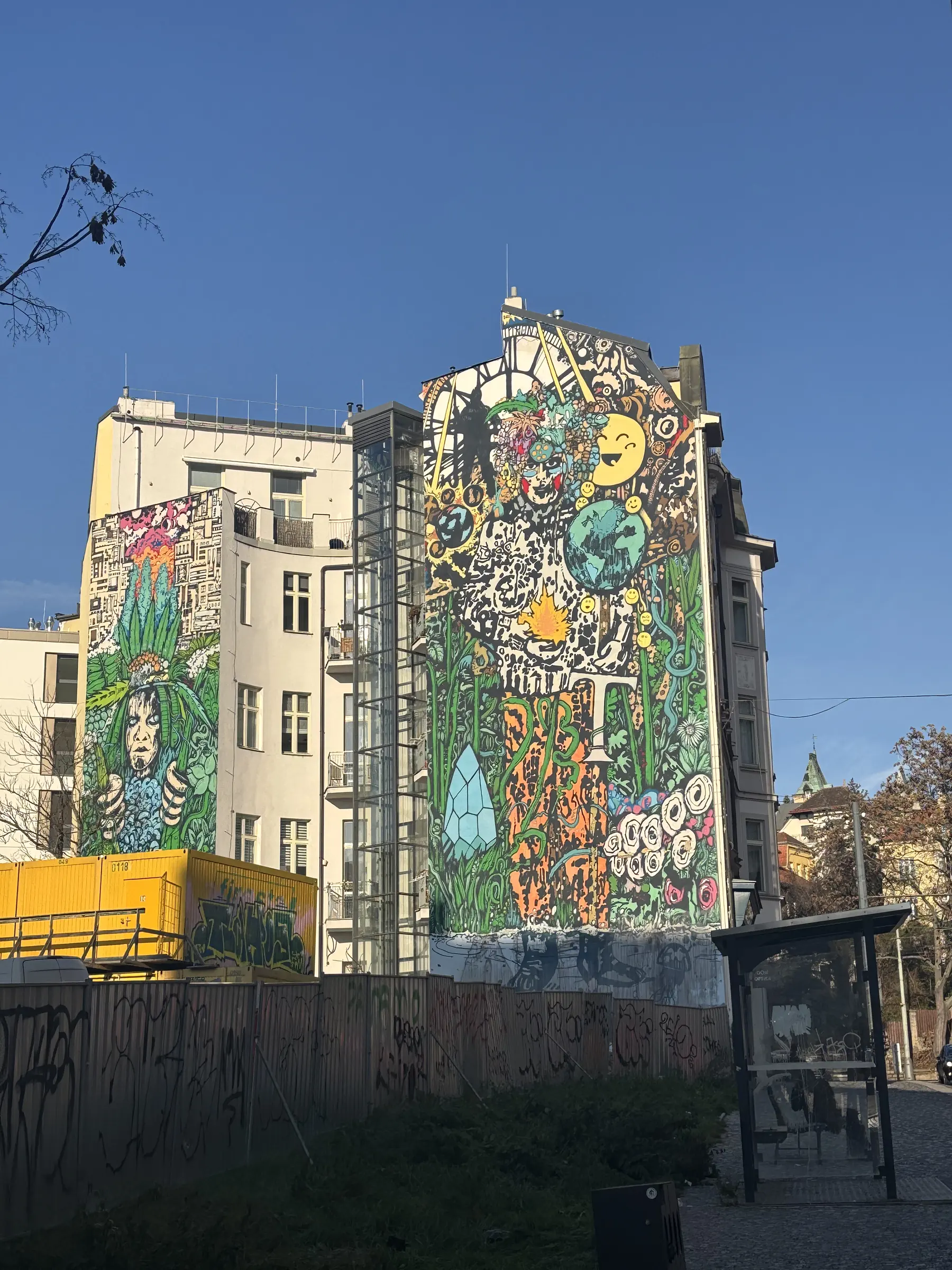
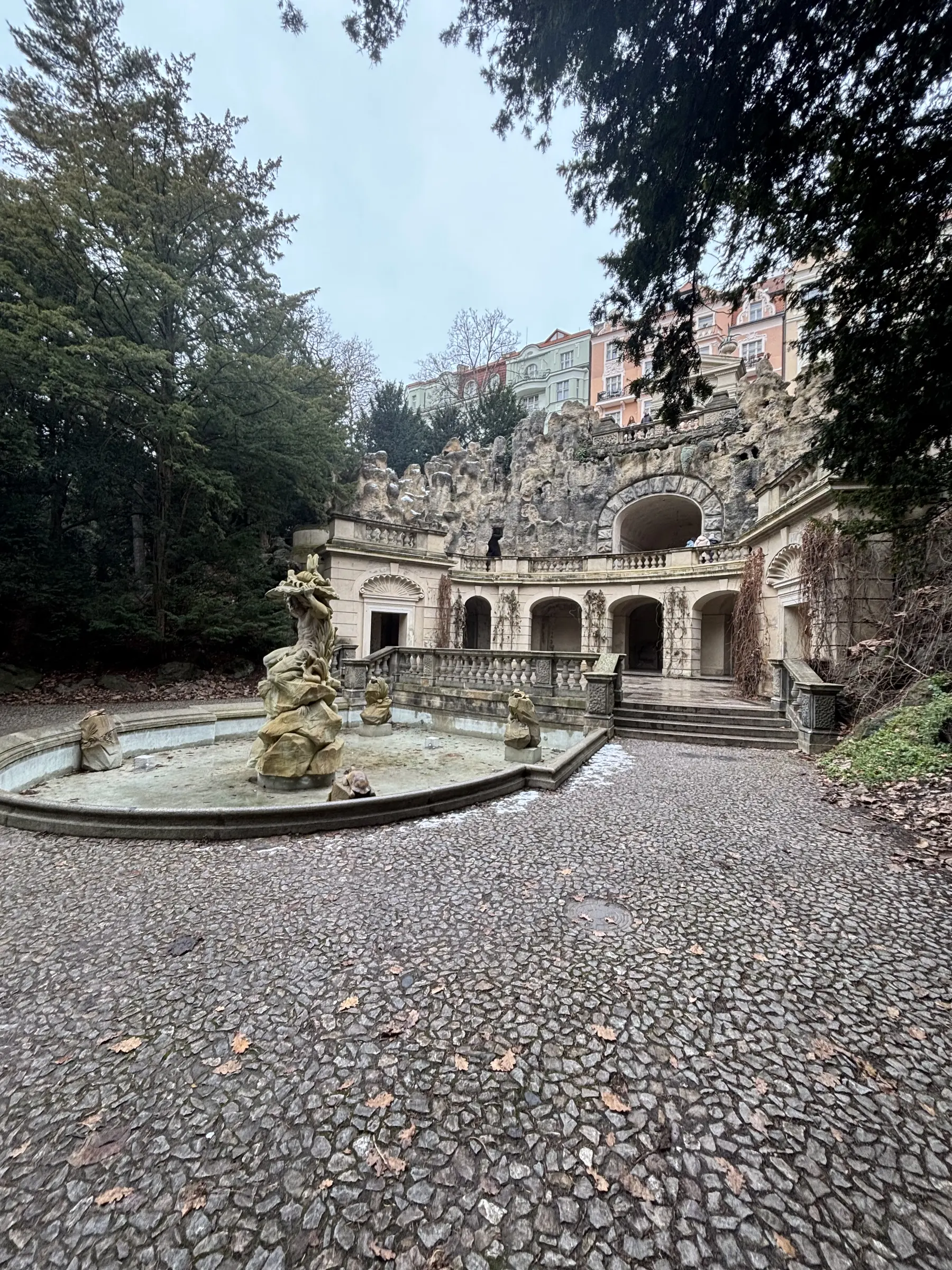
What makes it wonderful is the layering: the castle dominating everything, the Old Town's astronomical clock, Art Nouveau facades, the Jewish quarter, and in the evening, beers served in vaulted cellars for next to nothing. A city you explore on foot, morning to night, without ever getting tired of it.
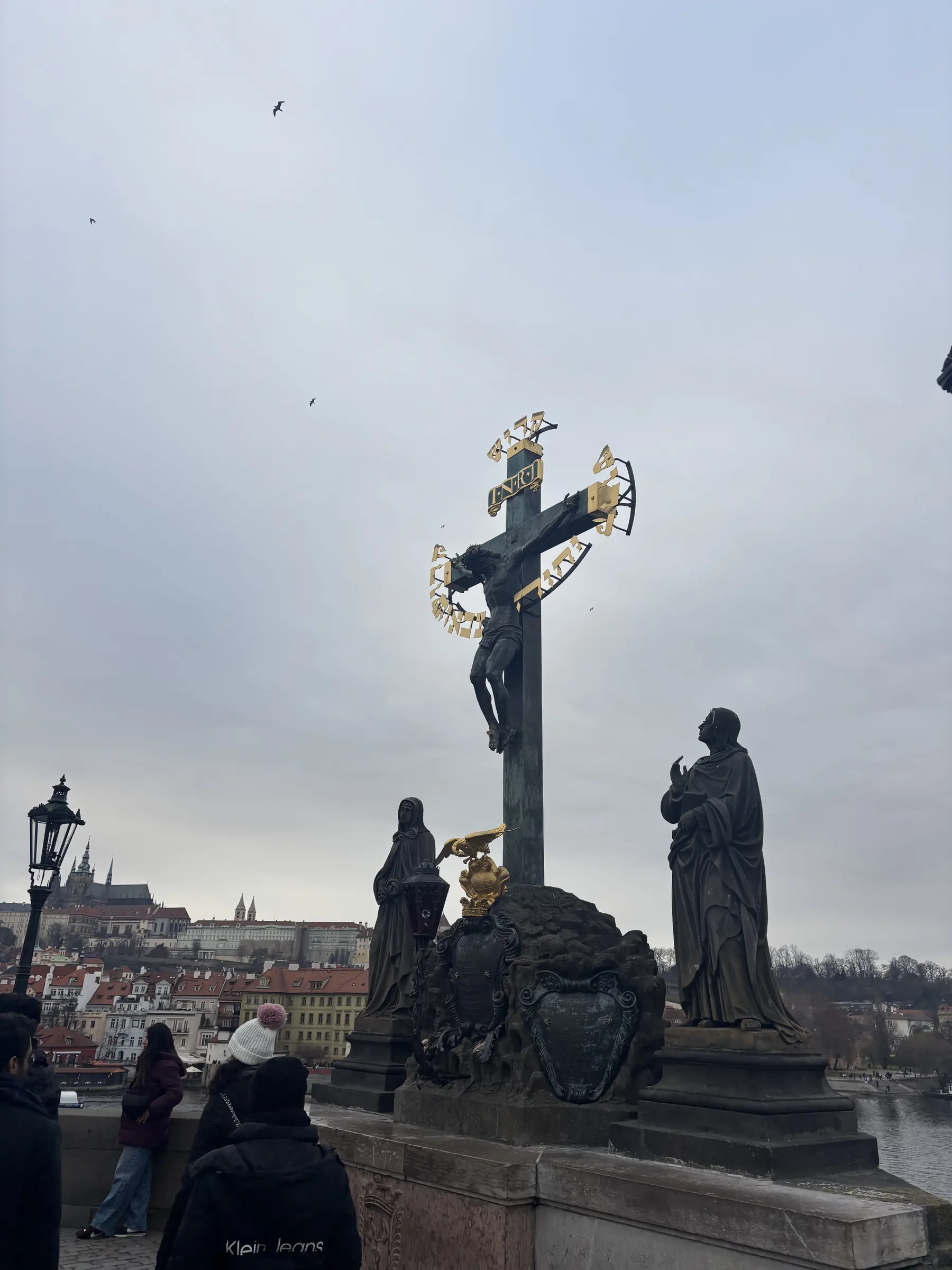
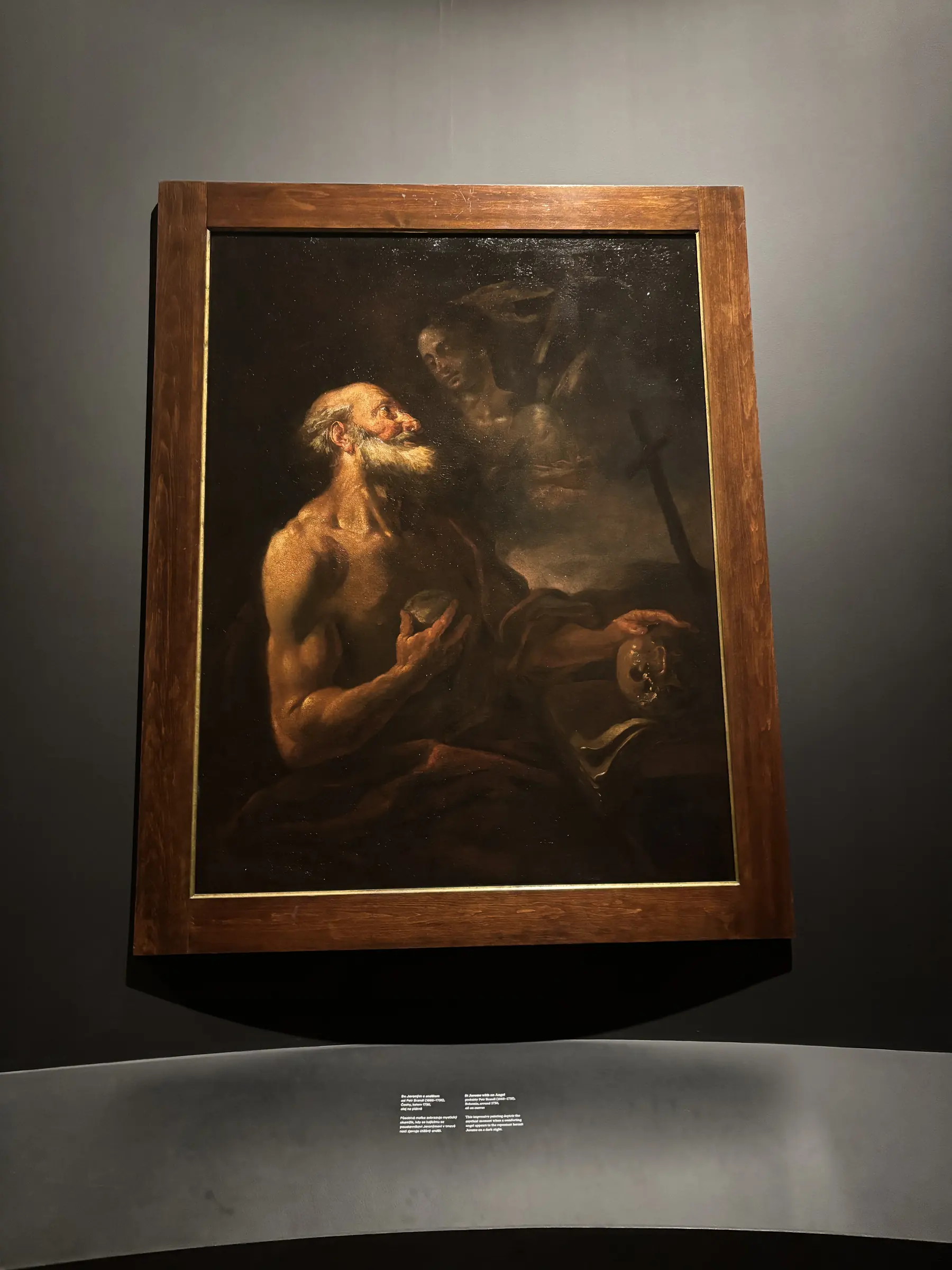
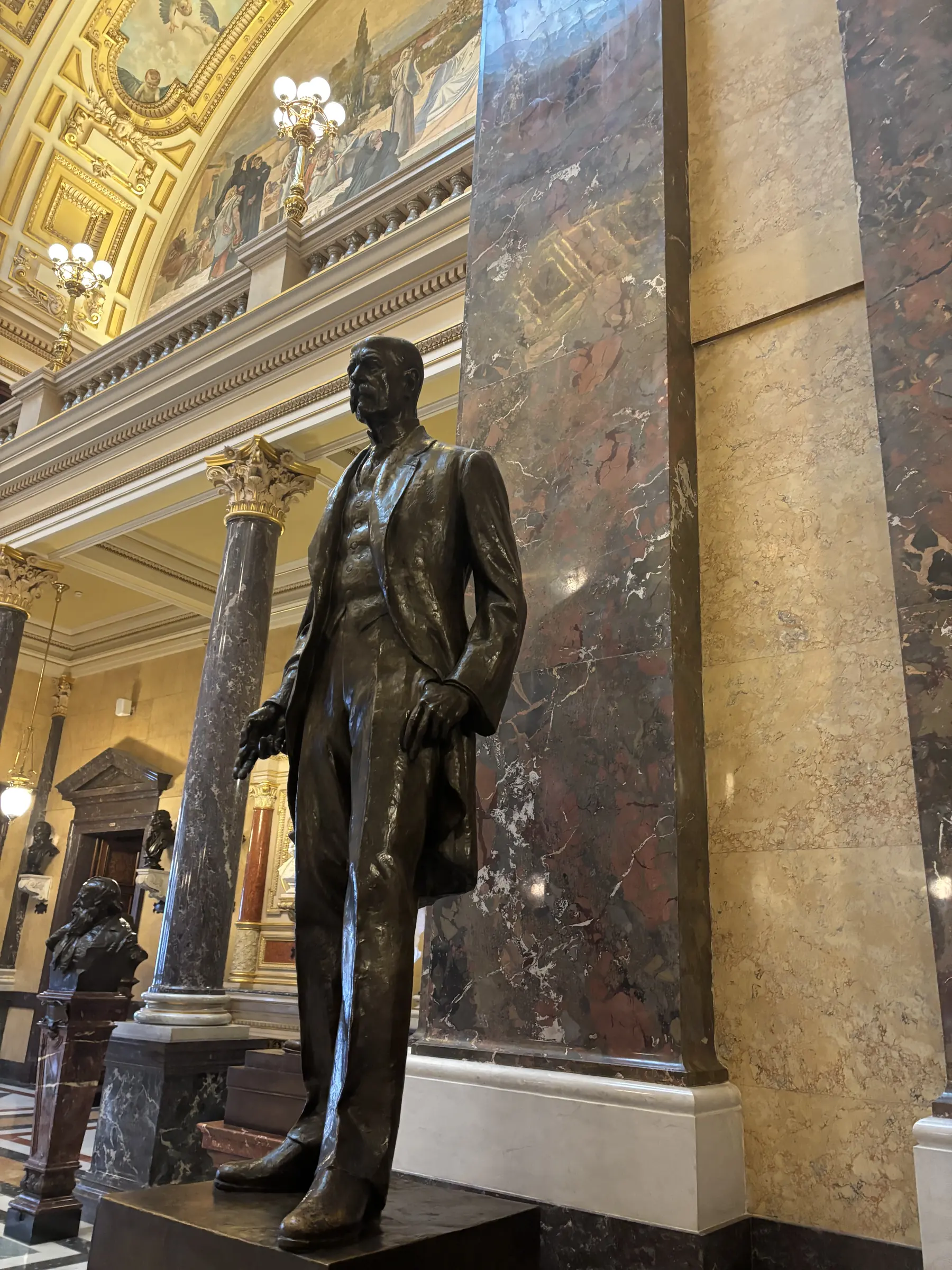
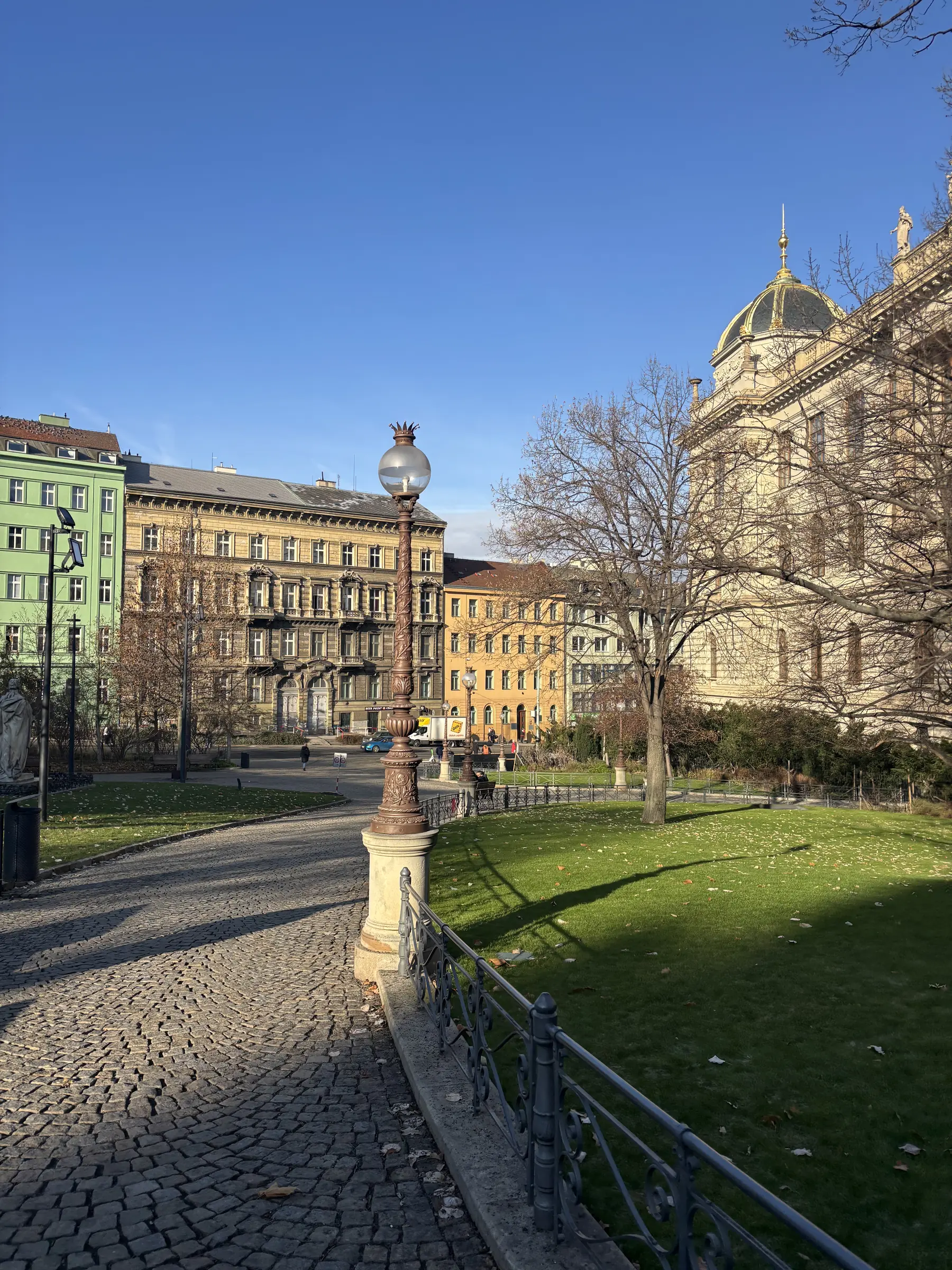
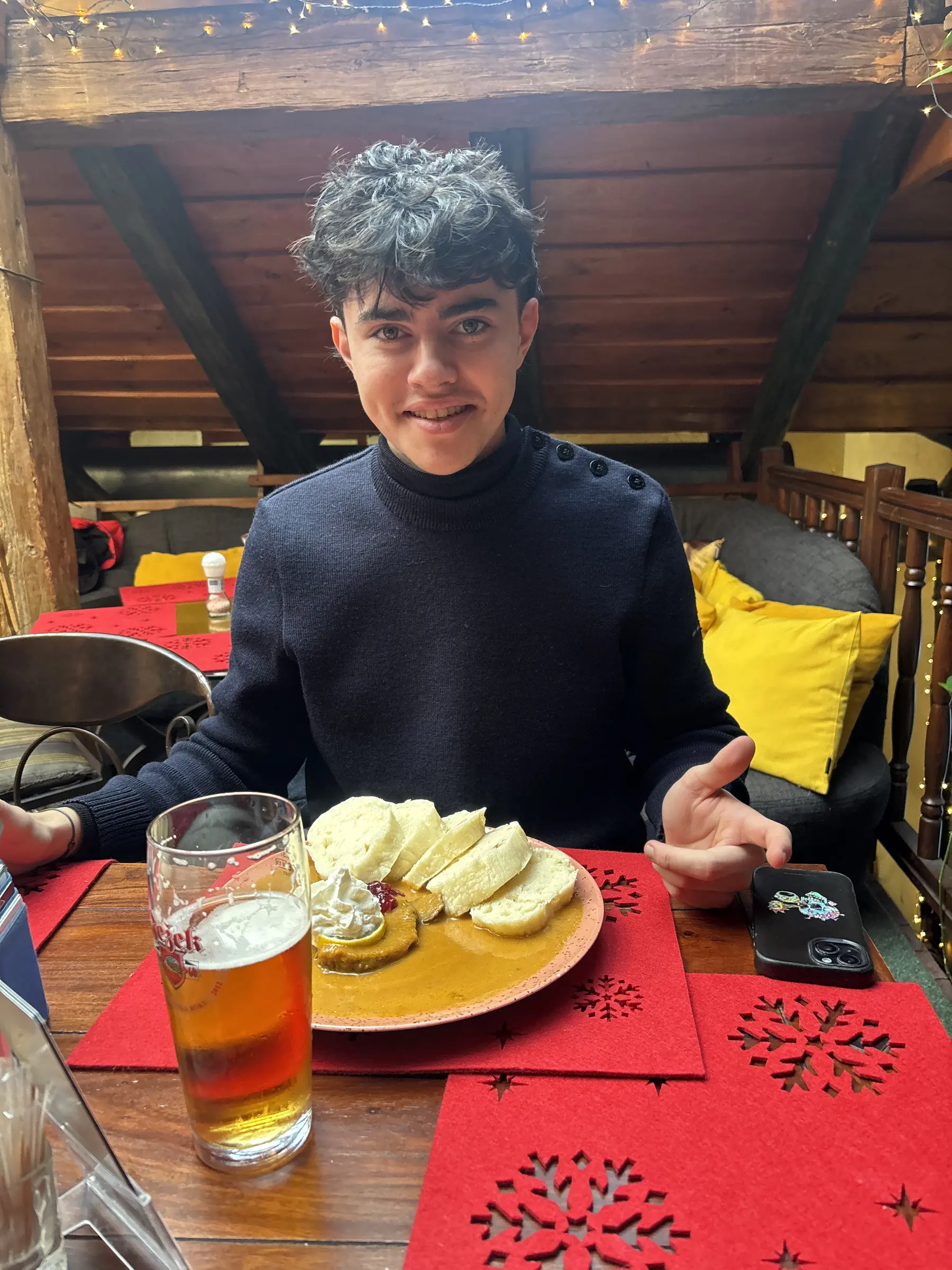
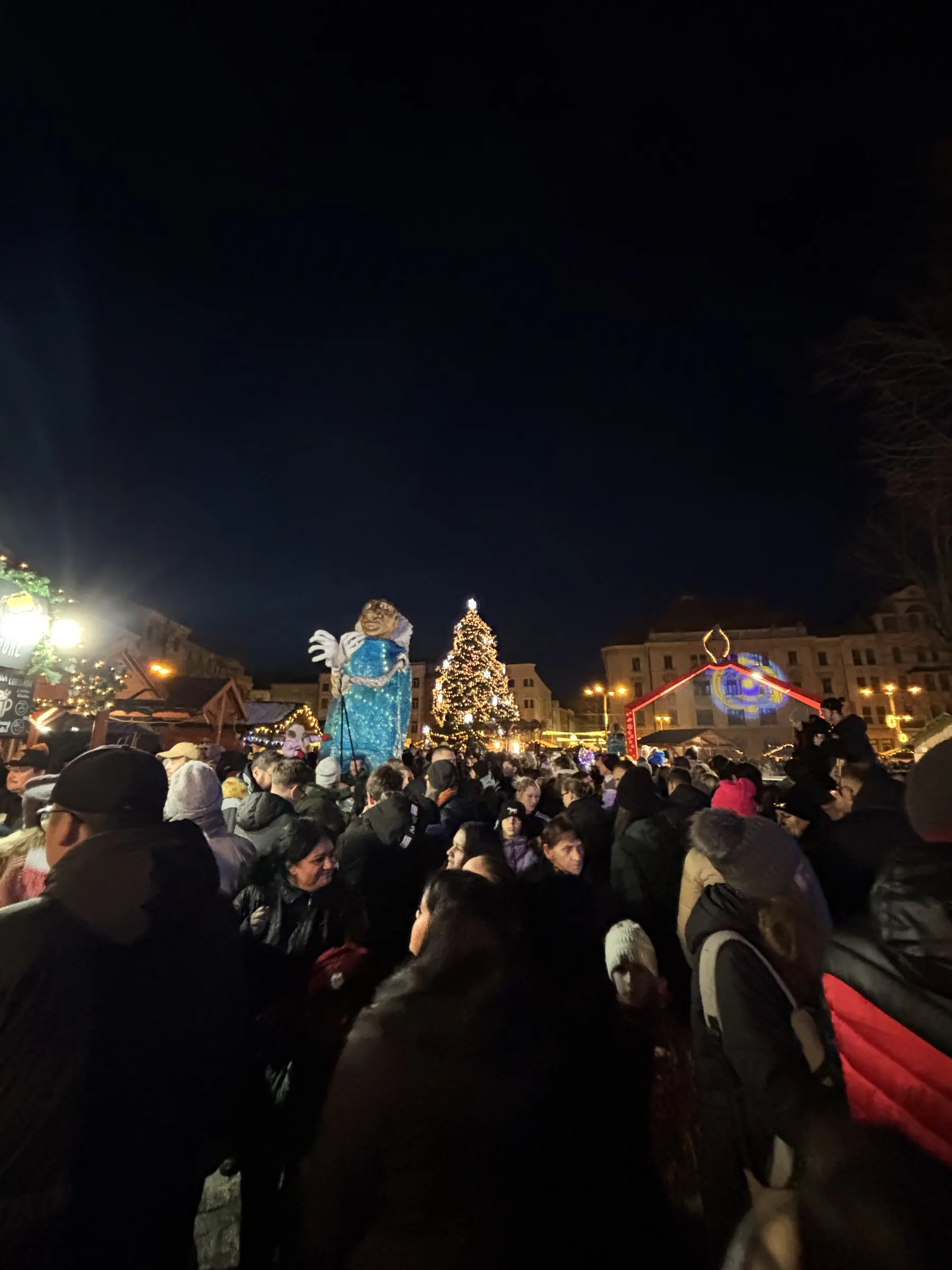
Four days there, and a magnificent city. Architecture that is grand, every style stacked up in the same street, and colour everywhere. In the middle of November, with the snow, the Christmas markets and the food that goes with them, it was magic. And that's before the art and everything these people have been through. Their flag tells the same story: the white and red of Bohemia, and the blue triangle added in 1920 for Slovakia — when the two countries split in 1993, the Czechs kept it.