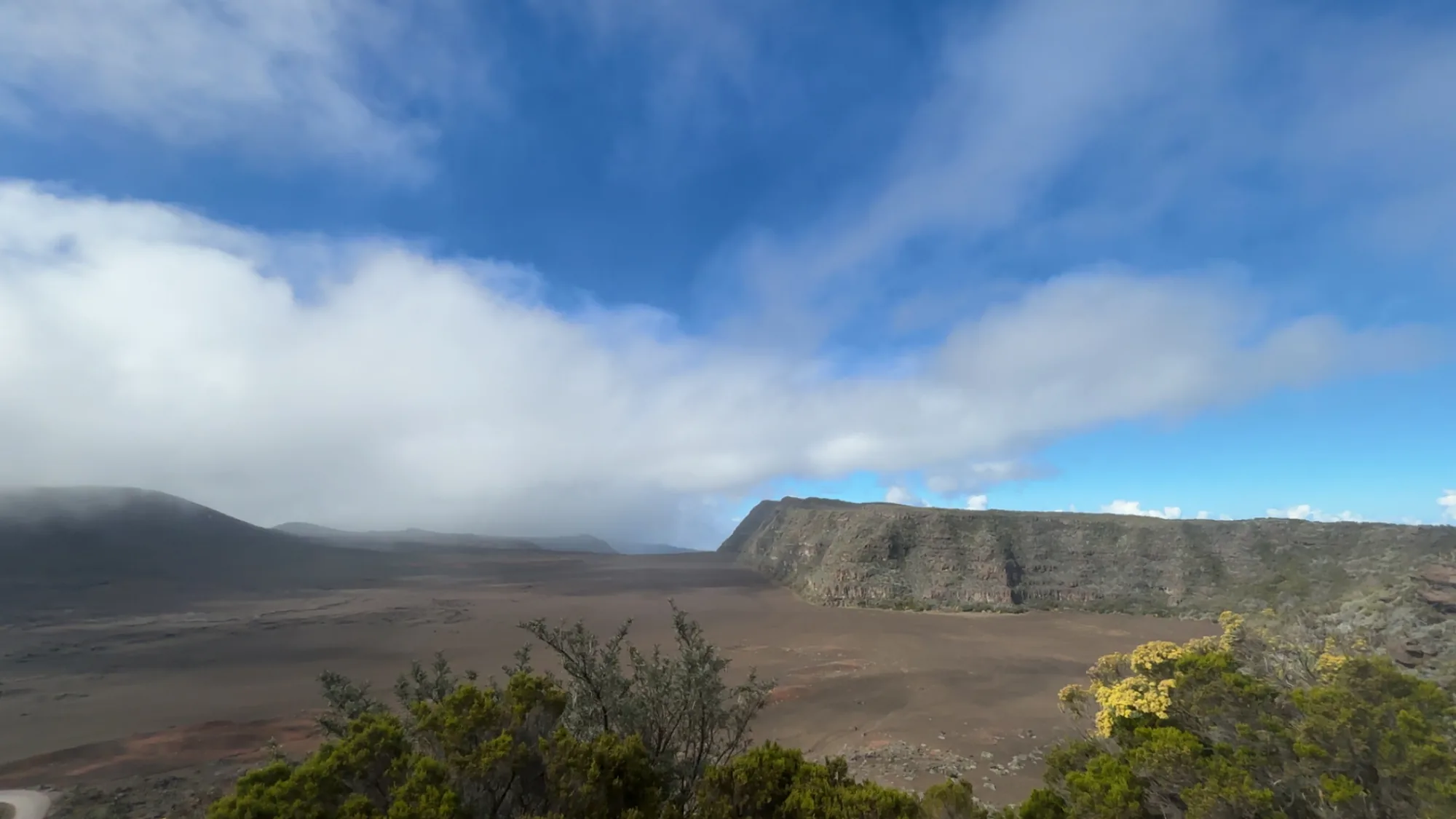
A volcano in the middle of the Indian Ocean.
Réunion is a volcanic island that rose from the Indian Ocean three million years ago, uninhabited until the French arrived in the 17th century. A plantation colony (coffee, then sugar cane) marked by slavery until 1848 and then by indentured labour, it became a French department in 1946. From that history came a unique Creole population, a mix of Africa, Madagascar, India, China and Europe, found in the language, the music (maloya) and the food (cari, rougail, samosas).
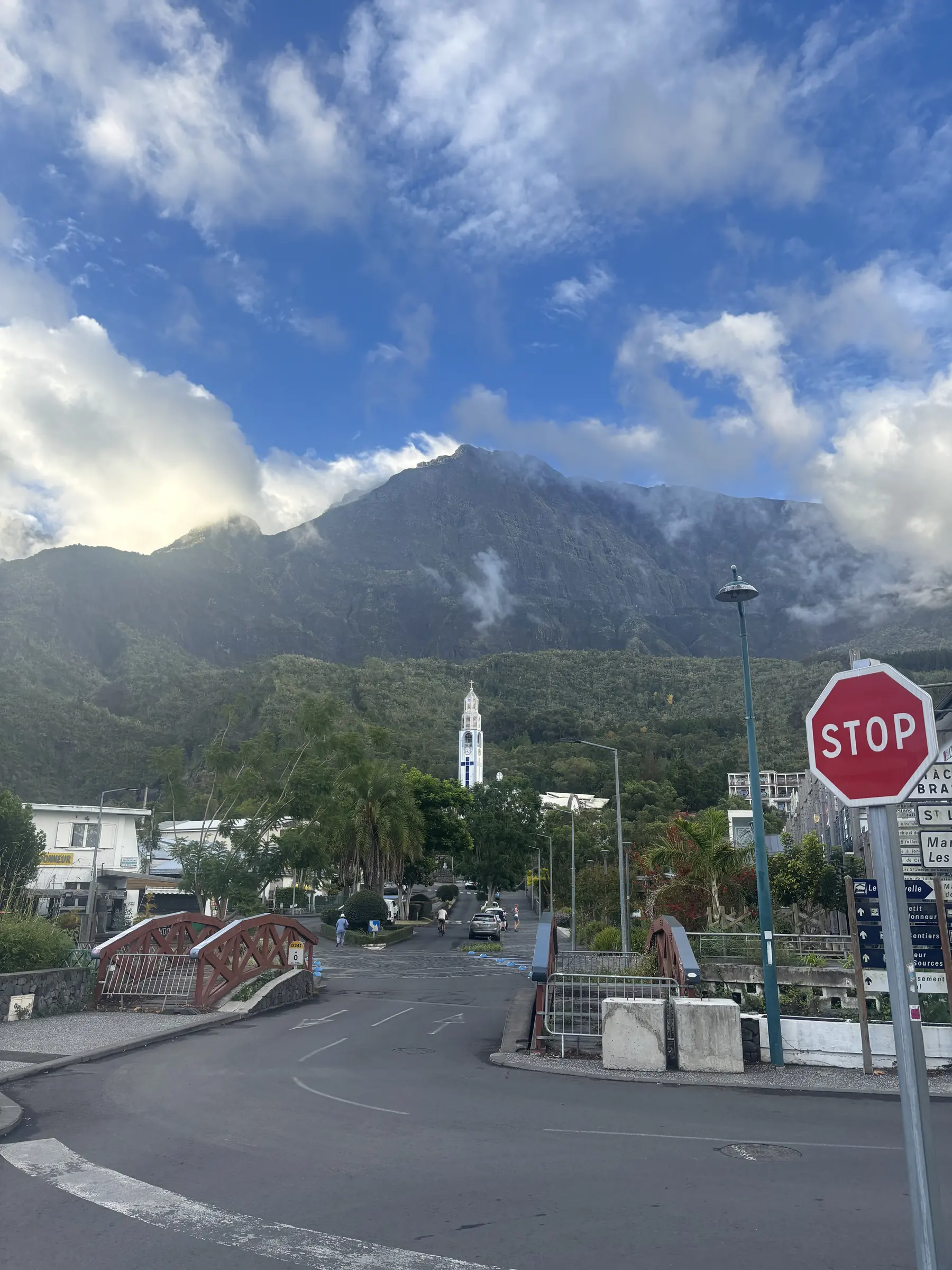
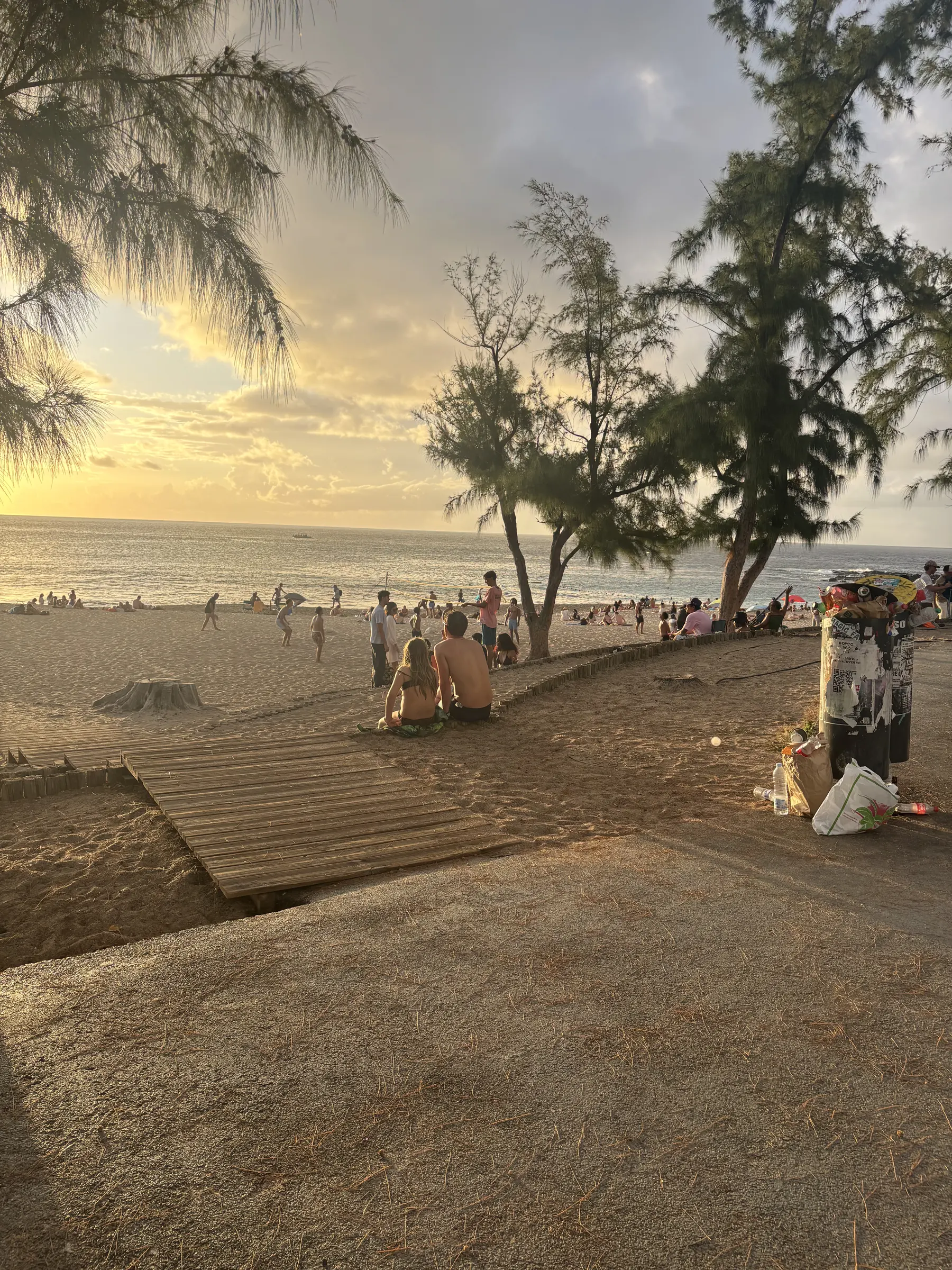
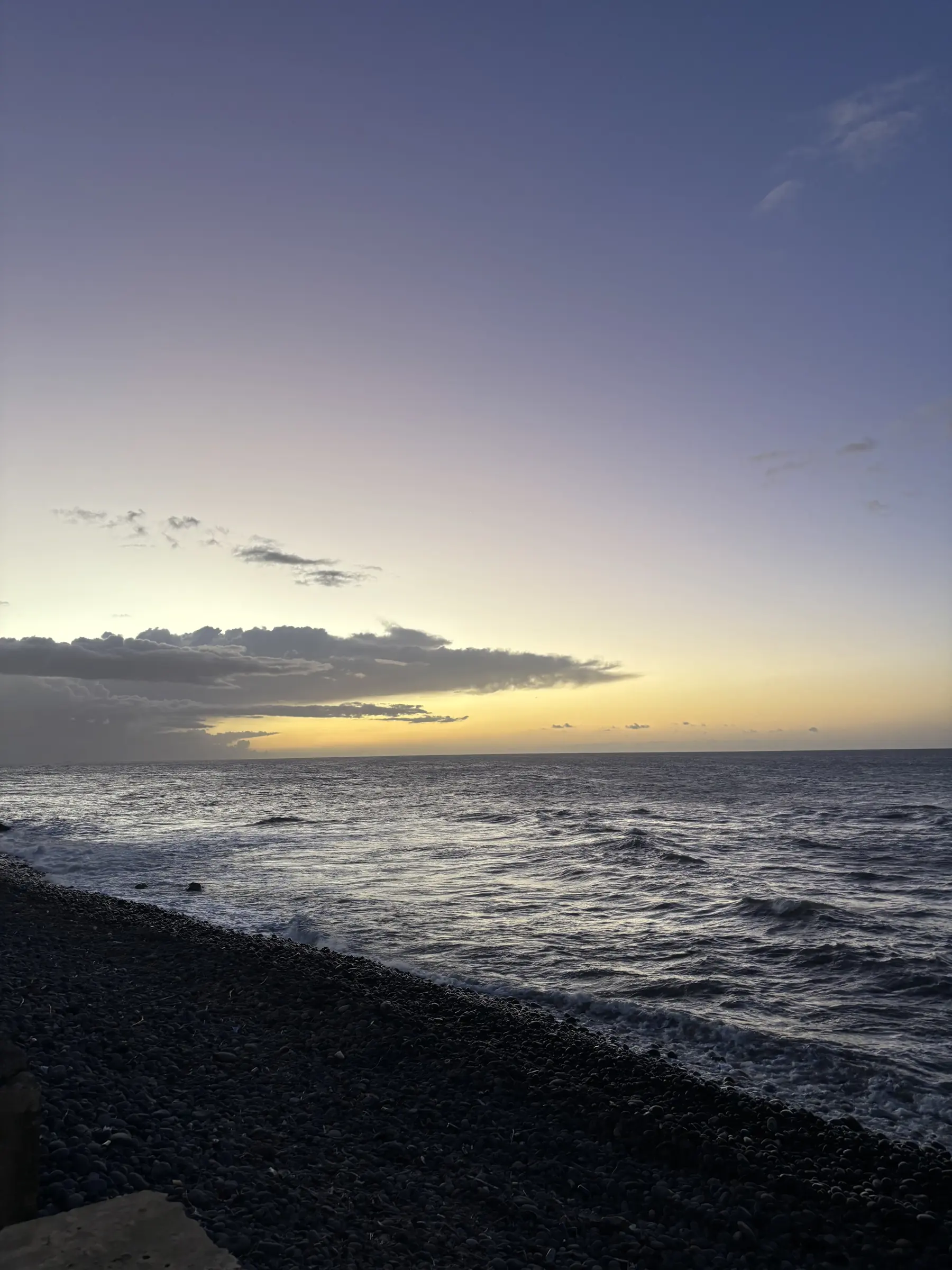
It's an island of wonderful contrasts: Piton de la Fournaise, one of the most active volcanoes in the world, the three UNESCO-listed cirques of Mafate, Cilaos and Salazie, dizzying hiking trails, lagoon beaches to the west and ocean-battered cliffs to the east. All eleven hours' flight from Paris, yet in France.
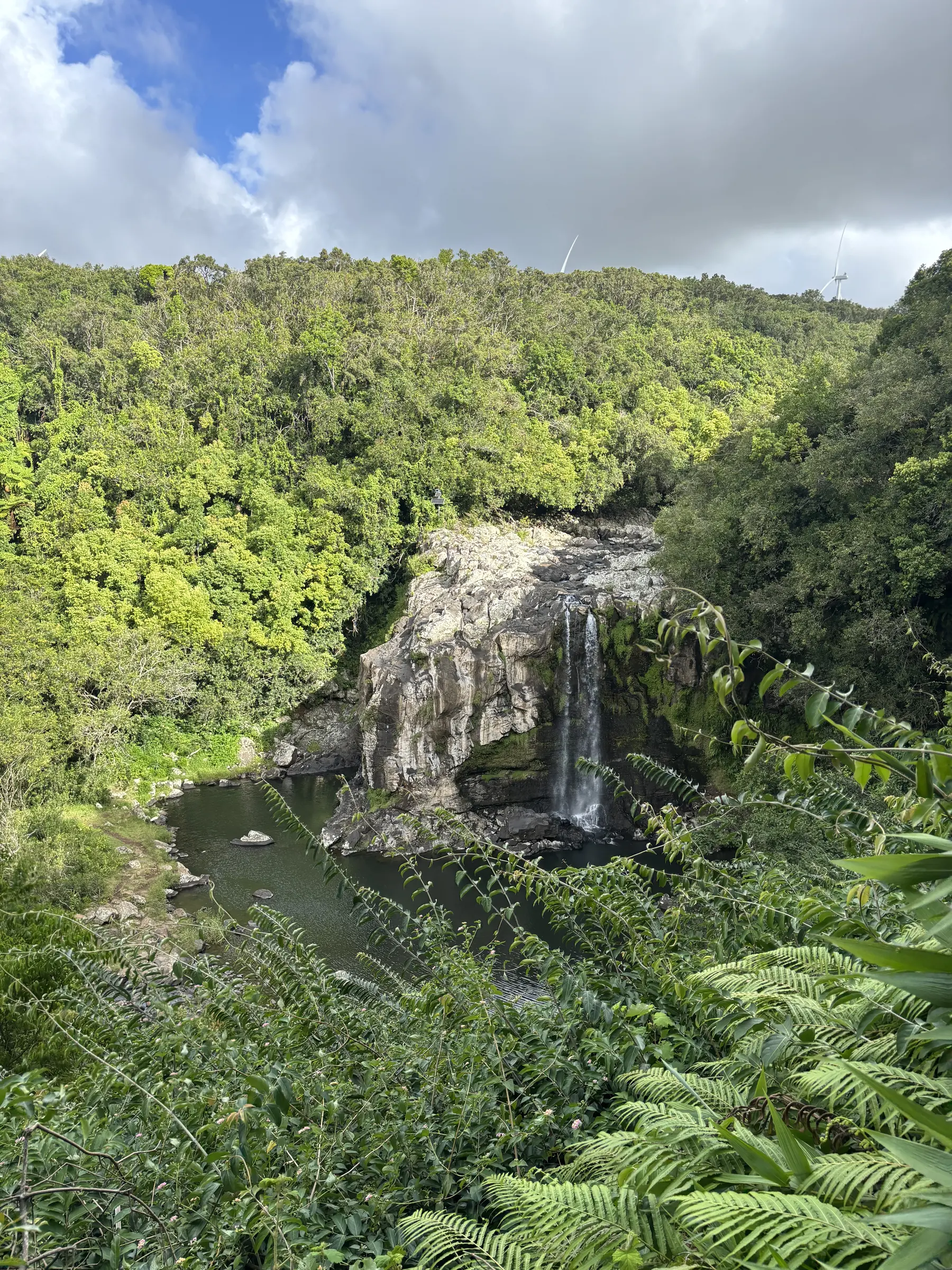
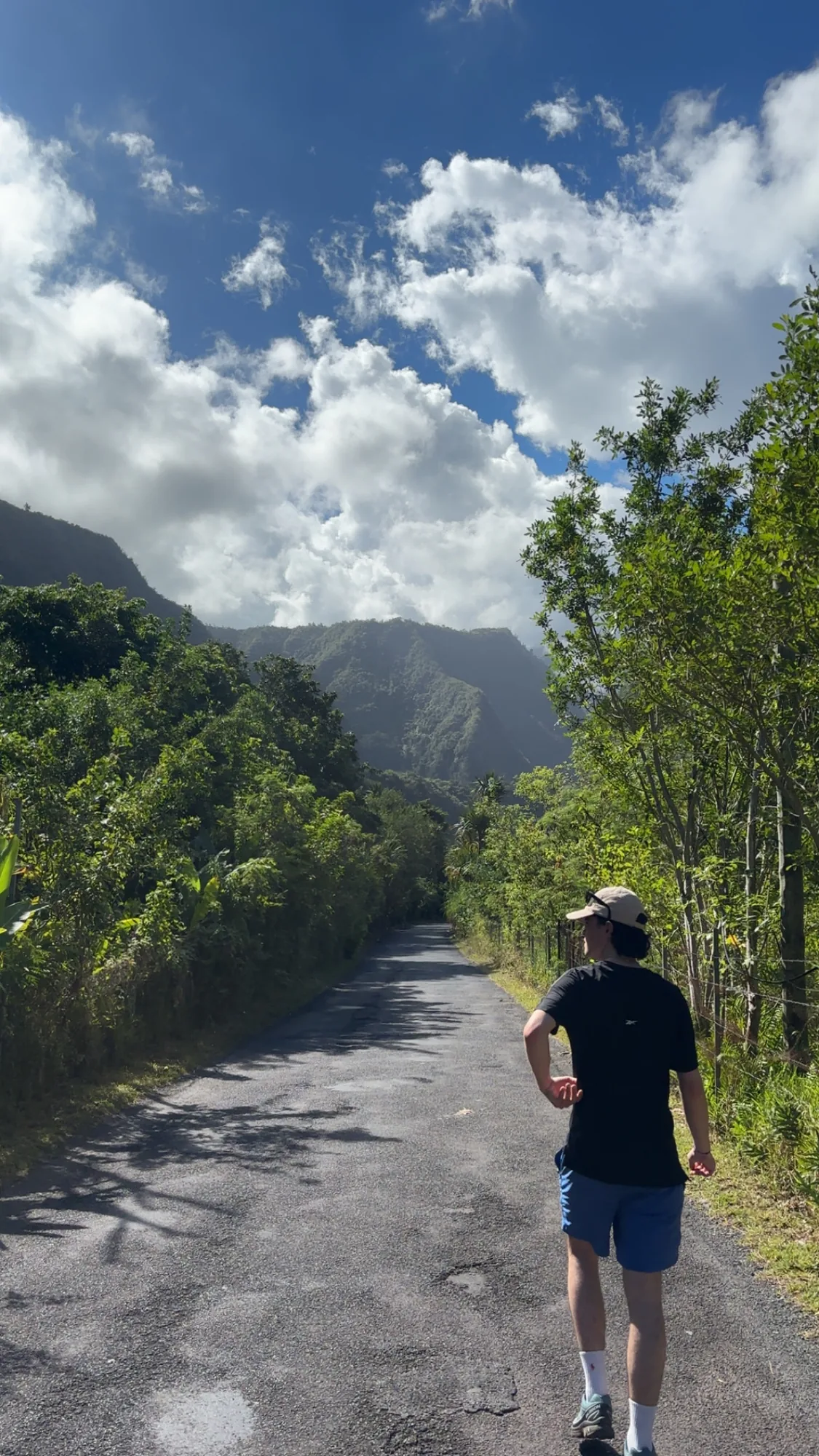
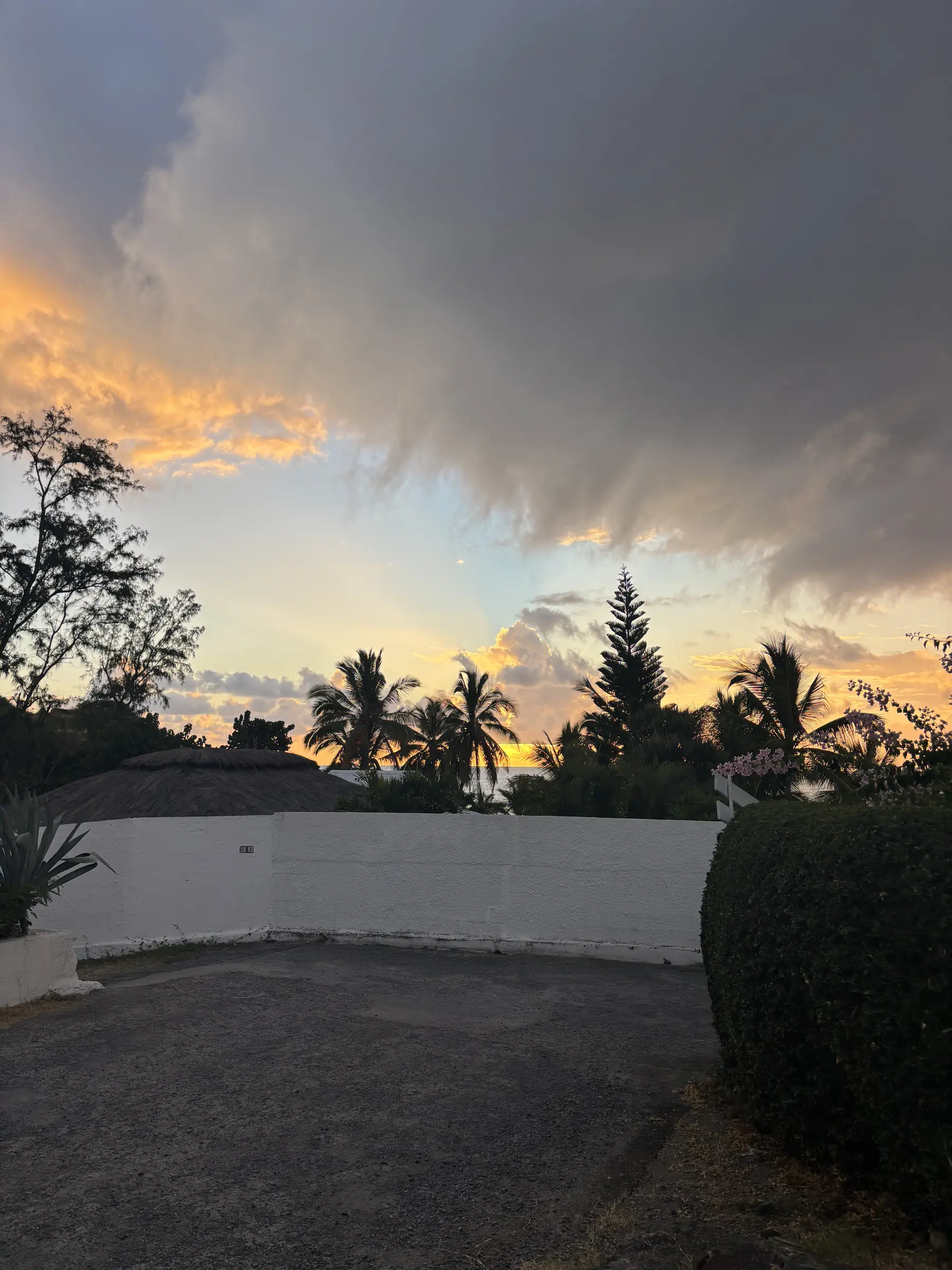
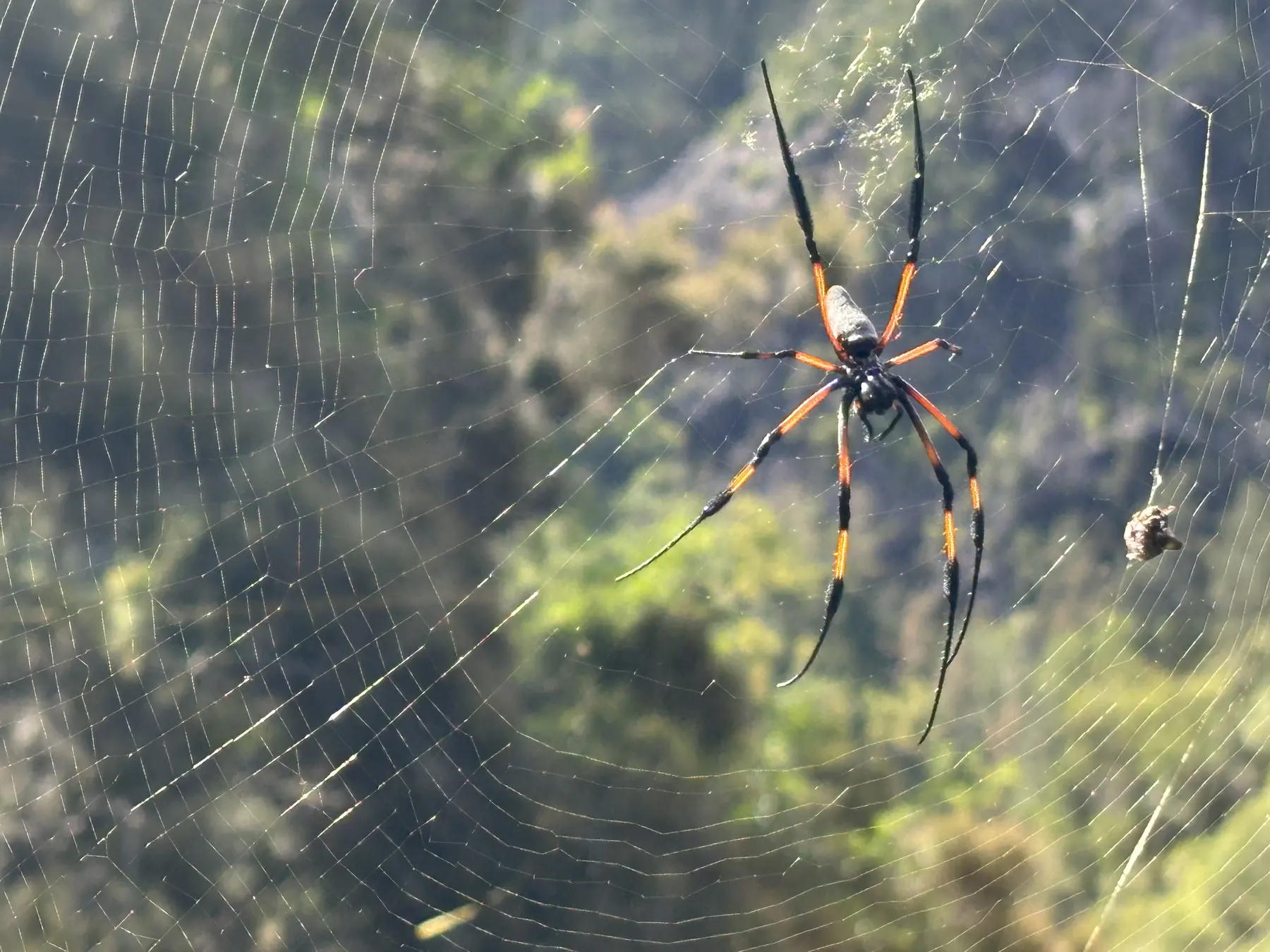
It is one of my finest trips — for the landscapes above all: they left me speechless. But also for the people, who are wonderful, for the culture and for the food. And for a climate that will never stop surprising me: in a single day you go from sunshine on the coast to rain and wind up in the hills, from hot to cold, and back down into the sun. I was there with Victor, who lived on the island and showed it to me from the inside. The island also has a flag of its own, unofficial: a black volcano with yellow rays streaming from it, over the blue of the sky and the red of the lava. You see it everywhere, and it says everything about the place.